REGULATORY
West Coast Sets the Rules for Buried Carbon
CARB's draft rules demand 100 years of monitoring and seismic checks, a bar that could define carbon storage across the West.
2 Jul 2026
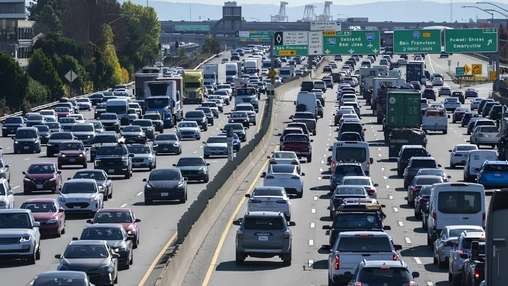
California regulators just raised the bar for underground carbon storage, and the rest of the West may soon follow. On May 7, 2026, the California Air Resources Board released a draft framework implementing the state's CCUS program under Senate Bill 905. The rules go further than federal standards on nearly every front.
Companies storing CO2 underground would face 100 years of mandatory post-injection monitoring. Add seismic surveillance, subsurface tracking, and beefed-up emergency response requirements, and the draft clearly outpaces existing Class VI federal rules. Public comment closed June 5, 2026, after a review window of less than a month.
Disclosure sits at the center of the plan. CARB wants monitoring plans made public, a move that signals transparency as a permanent feature of California's approach rather than a one-off requirement. According to an Arnold & Porter analysis, that posture carries weight well beyond state lines, since California already holds the largest share of federal and private CCUS investment in the country.
Other states are watching closely, and for good reason. Arnold & Porter's analysis suggests western agencies may lift pieces of California's model directly into their own frameworks as they write new carbon storage rules. That makes CARB's current draft something closer to a regional template than a state-specific policy. Firms planning projects across multiple western states should expect California's standards to shape baseline expectations well outside its borders.
None of this comes free. Tighter monitoring windows and public accountability requirements will add complexity to project planning, though they may also reassure investors worried about long-term storage integrity. Advanced Resources International and other firms operating in western geological formations are already comparing their plans against CARB's draft ahead of finalization.
Bigger picture, the message is straightforward: carbon capture regulation in the U.S. just grew up. With California setting the pace, expect the rest of the region to follow, whether by choice or by competitive necessity.
Related News


SUBSCRIBE FOR UPDATES
By submitting, you agree to receive email communications from the event organizers, including upcoming promotions and discounted tickets, news, and access to related events.